Is Minpaku or Ryokan Operation Possible in Itabashi Ward? Key Operation Without Key Boxes and Required Documents for Prior Consultation
Ryokan business (simple lodging - kannii shukusho) in Itabashi Ward does not require a front desk, and the on-call response must be within 10 minutes walking distance. Compared to wards that require on-site staff, it is relatively easy to organize an operating system even for small detached houses.
On the other hand, key boxes cannot be used for handing over keys, and it is necessary to visit each neighboring household to provide explanations. The application documents listed on the health center’s website alone are insufficient, and additional items may be requested during prior consultation.
Itabashi Ward is not an implementation area for the National Strategic Special Zone Minpaku (tokku minpaku), so the two options are the Minpaku New Law (Residential Lodging Business - jutaku shukuhaku jigyo) and the Ryokan Business Law. This article organizes what you need to prepare before application, including requests made at our prior consultation.
The regulatory information in this article is organized based on our confirmation with the health center and public materials from the ward (as of August 2026).
Itabashi Ward Minpaku and Ryokan Regulations Quick Reference Table
| Category | Item | Details |
|---|---|---|
| Ryokan Business (Simple Lodging) | Front Desk (Entrance Reception) | None |
| On-Call Requirement | Within 10 minutes walking | |
| Notification to Neighbors | Face-to-face explanation | |
| Key Handover | No key boxes allowed | |
| Minpaku New Law (Residential Lodging Business) | Additional Ward Ordinance | Residential-only zones allowed operation only on Fridays, Saturdays, Sundays, public holidays, and days before public holidays (regulation may exclude owner-occupied types) |
Ryokan Business (Simple Lodging): No Front Desk Needed, Use Smart Keys for Access
The ryokan business requires permission and has no limit on the number of operating days annually. Translating Itabashi Ward’s requirements into an operational form yields these four points.
- Front desk (Entrance reception): No installation obligation. You can apply without having a reception space inside the facility.
- On-call: Prepare a system that can go to the site within 10 minutes walking if troubles occur. If outsourcing to an external on-call service, attending the application submission is not required; if the contract includes the on-call worker’s address and contact details, and the address is within 10 minutes walking distance, it is accepted.
- Key handover: Key boxes are not allowed. If keys are not handed over face-to-face, installing a smart key (smart lock) is required.
- Notification to neighbors: No requirement to hold an explanatory meeting. After prior consultation with the health center, visit neighbors and provide explanation.
The prohibition on key boxes does not mean unmanned operation is impossible. Since neither a front desk nor permanent staff are required, you can organize a no-person operation by installing smart keys and establishing the on-call system.
However, in that case, you must write and explain in the application how guests enter the building and where identity verification takes place. Choosing the device model should be considered together with the application document preparation.
Documents Requested in Prior Consultation
In Itabashi Ward, prior consultation with the health center before application is a prerequisite. Through multiple consultations, documents not listed on the website may be requested. In our prior consultation, the following items were requested.
- Certificates of registered matters for land and buildings: application is not accepted until these are obtained.
- Additional drawings: south elevation, air conditioning ventilation, lighting plan. These were not indicated in the first consultation or on the website.
- Compliance certification from a licensed architect: signed by the architect.
- Operation explanation materials: check-in process, identity verification method, smart key usage.
- On-call response materials: contract for on-call service and map from on-call worker’s address to the facility.
Regarding the drawings, details such as the placement of bedding, plumbing areas, and storage usage were closely checked. Responding to these points required revisions to drawings and re-obtaining compliance certification from the architect, so consulting early before finalizing design reduces backtracking.
Neighbor Notification: “Within 10 Meters of Property & Face-to-Face”
Itabashi Ward does not require explanatory meetings, but direct explanations to nearby residents are necessary before application. According to our prior consultation, the targets are neighbors within 10 meters of the site, and basically two visits are needed. If residents cannot be met, materials are left in their mailboxes.
Even if left in mailboxes, care is required in the content and delivery of the materials. When construction is involved, instructions to post construction notices at the site are also required.
Visits must correspond to times when neighbors are at home, so including a second visit takes more time than expected. Schedule the notification process early so it can proceed in parallel with obtaining registration certificates and revising drawings.
Minpaku New Law (Residential Lodging Business): Residential Zones Limited to Weekends and Public Holidays
The Minpaku New Law is notification-based, with a nationwide upper limit of 180 days per year. When operating without the owner present, contracting with a residential lodging management company is necessary.
Itabashi Ward’s additional ordinance restricts operation in residential-only zones to Friday, Saturday, Sunday, public holidays, and the day before public holidays. Owner-occupied types may be exempt from regulation, so confirm with the ward before notification if renting part of your own home.
| Operation Type | Annual Operating Limit (Approximate) | Legal Basis |
|---|---|---|
| Ryokan Business (Simple Lodging) | 365 days | Ryokan Business Law. No limit on days |
| Minpaku New Law - Outside Residential Zones | 180 days | Residential Lodging Business Act nationwide limit |
| Minpaku New Law - Residential Zones | Approximately 156 days (52 weeks × 3 days on Fri, Sat, Sun) plus public holidays and days before. Limit is 180 days | Itabashi Ward additional ordinance |
Even in residential zones, only limiting business days by weekday leaves over 150 days annually, so the difference from the 180-day limit is not large. The main disadvantage is inability to take bookings on weekdays.
Furthermore, since hotels and ryokans are generally prohibited in residential-only zones, there is no fallback to switch to ryokan business and operate on weekdays. Whether a property falls in a residential zone or not determines which system you can choose.
Itabashi Ward Property Market (August 2026)
| Indicator | Itabashi Ward | Ranking Among 23 Wards |
|---|---|---|
| Listed Detached Houses Price (Median) | 64.8 million yen (145 listings, total floor area 92㎡) | 17th highest out of 21 wards |
| Rental Detached House Asking Rent (Median) | 178,000 yen/month (75 listings, 73㎡) | 16th highest out of 21 wards |
| Whole Building Income Property Gross Yield (Median) | 5.5% (127 listings) | 3rd highest among 23 wards |
Source: Urbalytics Market Report (Itabashi Ward). Medians of listings available in August 2026. Indicators with fewer than 10 listings are not shown.
Detached houses in Itabashi Ward rank lower in both sales price and rental rent compared to other 23 wards. The sales price of detached houses is the acquisition cost when owning one’s own minpaku building, and rental detached house rent corresponds to the fixed monthly cost when renting and subletting, so initial burdens can be estimated as lighter than in central wards.
On the other hand, the whole-building income property gross yield is the third highest among the 23 wards, and the ward has a large number of listings. Since it tends to generate yield even with ordinary rentals, if operating minpaku, compare the expected yield with rental operation. This comparison becomes more significant for properties in residential zones operating mainly on weekends.
Checkpoints When Considering Properties in Itabashi Ward
- Check the zoning on city planning maps. If it is a residential-only zone, ryokan business permits cannot be obtained, and weekday restrictions apply under the Minpaku New Law.
- If proceeding under the ryokan business, get the certificates of registered matters for land and buildings early.
- Confirm whether you can request a full set of drawings including south elevation, air conditioning ventilation, lighting plans, and compliance certification from an architect.
- Decide in advance on the smart key model and the flow from check-in to identity verification.
- If outsourcing on-call response, check on a map that the on-call staff’s base is within 10 minutes walking distance to the facility.
- If converting a residence, verify whether usage change application is required and confirm compliance with the Building Standards Act and Fire Service Act.
- For condominiums, check management regulations; for rental properties, obtain written consent from the lessor for subletting.
Because Itabashi Ward’s operational requirements are lighter, time is required for document preparation and neighbor notification. Organizing the operation including arranging on-call response and check-in with smart keys is introduced on the Minpaku Operation Agency page.
Frequently Asked Questions
Can an unmanned simple lodging (kannii shukusho) in Itabashi Ward use a key box?
The use of key boxes for key handover is not permitted. By installing smart keys and explaining the check-in process and identity verification method at application, it is possible to organize an operation without a front desk or resident staff.
Is it necessary to hold neighborhood explanatory meetings?
Explanatory meetings are not required for ryokan business applications. After prior consultation with the health center, visit neighbors within 10 meters of the property and explain; if residents cannot be met, leave materials in their mailbox.
If on-call response is outsourced to an external provider, is their attendance at the application necessary?
According to our confirmation, attendance is not necessary. If the contract includes the on-call worker’s address and contact, and it is within 10 minutes walking distance to the facility, it is accepted. Attach the contract and a map showing the route from the address to the facility at application.
Compare with Other Wards
- List of Minpaku and Ryokan Regulations in Tokyo’s 23 Wards
- Minpaku and Ryokan Regulations in Arakawa Ward
- Minpaku and Ryokan Regulations in Nerima Ward
Ordinances and practices may change due to revisions or health center judgments. Please consult the health center in charge before acquiring properties or applying.
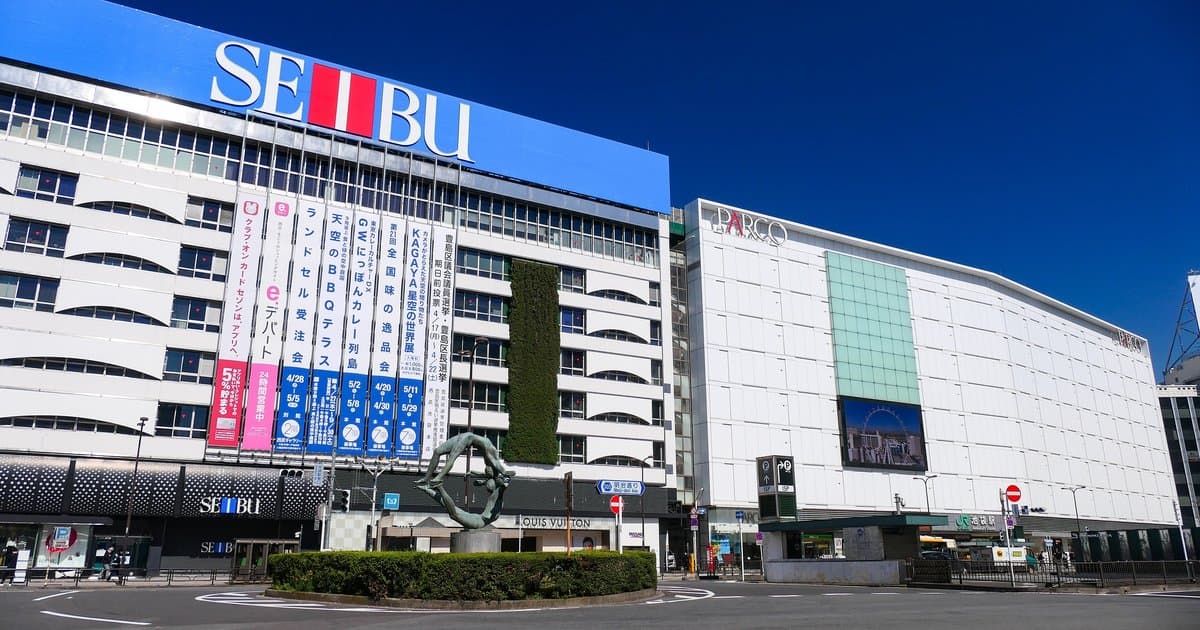
Featured photo: Missmikage / Wikimedia Commons (CC BY-SA 3.0, cropped)
About this article
- Author
- Xingkai Luo(New Business)
A business development specialist with over 10 years of experience in urban real estate development and infrastructure investment. At Alibaba and Honeywell, he led large-scale redevelopment projects for major Chinese state-owned transportation operators and oversaw the implementation of smart building solutions. He is deeply familiar with the full development value chain, from due diligence, land acquisition, and structuring through post-completion asset management. At TLL, he leads new business development and project formation for overseas investors, advancing hotel, residential, and mixed-use developments.
View profile → - Publisher
- TLL合同会社宅地建物取引業 東京都知事(1)第108202号住宅宿泊管理業 国土交通大臣(01)第F03424号
Data in this article cite their source and as-of date. Market conditions and regulations change, so check the latest information and consult a professional before deciding. Translated from the Japanese original.