Is Minpaku and Ryokan Business Possible in Kita Ward? Minpaku New Law Without Additional Ordinances and Mandatory Smart Keys for Simple Lodgings
Kita Ward does not have its own additional ordinance on the Minpaku New Law (Housing Accommodation Business). Regardless of whether the area is a residential-only zone or whether the homeowner lives there, operations are allowed within the nationwide limit of 180 days per year. Among wards that limit operating days by area or day of the week, Kita Ward makes the Minpaku New Law easy to use.
For the Ryokan business (simple lodging), installing or staffing a front desk is not required. However, key handover using a key box is not permitted; upon confirmation with the health center, installation of a smart key is mandatory. Since Kita Ward is not a designated area for State Strategic Special Zone Minpaku, the two available options are the Minpaku New Law and ryokan business.
The regulatory information in this article is organized based on our confirmation with the health center and the ward’s publicly available materials (as of July 2026).
Kita Ward Minpaku and Ryokan Business Regulations Quick Reference Table
| Category | Item | Details |
|---|---|---|
| Ryokan Business (Simple Lodging) | Front Desk (Genkan Choba) | None |
| Emergency Response Requirement | Within 10 minutes | |
| Notification to Neighbors | Flyers (posting) | |
| Key Handover | Key box not allowed | |
| Minpaku New Law (Housing Accommodation Business) | Ward Additional Ordinances | No additional ordinances (only 180 days under Minpaku New Law) |
Minpaku New Law (Housing Accommodation Business): Uniform 180 Days Across the Ward
The Minpaku New Law is a notification-based system with a cap of 180 days per year. Since Kita Ward does not impose any additional ordinances on top of this limit, you can operate anywhere in the ward for up to 180 days regardless of the day of the week. Even detached houses in residential-only areas can accept consecutive stay reservations including weekdays.
If you operate without the homeowner present, outsourcing to a housing accommodation management operator is necessary. Include outsourcing fees in operational costs and estimate expected occupancy within the 180-day limit accordingly.
Ryokan Business (Simple Lodging): Practical Points on Emergency Response, Keys, and Neighbor Notification
Ryokan business requires permission and has no annual operation day limit. Kita Ward does not require a front desk (genkan choba), and if you have a system to respond within 10 minutes, you can operate without having staff on site.
- Emergency response: within 10 minutes. According to the health center, travel by train or car should be within 10 minutes, and on foot or by bicycle, around 10–15 minutes is acceptable as a guideline.
- Key: key boxes are not allowed; installation of smart keys is required.
- Notification to neighbors: The ward’s regulation principle requires in-person visits with face-to-face explanation and handover of written notification documents on-site. The health center confirmed that either posting flyers or visits are acceptable.
Methods for notification vary in principle and practice between the ward’s official regulations and the health center’s guidance. The target scope and method of handing over the documents may differ depending on the property’s circumstances, so confirm in advance at the consultation whether “posting flyers is acceptable” before preparation.
Items to Include in Notification Documents to Neighbors
The six notification items specified in Kita Ward regulations are as follows. Whether distributing flyers or handing them over in person, include these in the written documents.
| Notification Item | Preparation Tips |
|---|---|
| Name of Operating Facility | Align with the name used in the permission application |
| Location of Operating Facility | Match the address on the application form |
| Planned Start Date of Operation | Set anticipating the period between application and permission |
| Name and Emergency Contact of Operator | Include a contact reachable at night |
| Name and Emergency Contact of Manager if Management Duties are Outsourced | Create document after deciding on the outsourcing party |
| Method for Neighborhood Inquiries | Clearly state phone, email, or other reception contact |
If you outsource management, the emergency contact of the outsourcing party must also be included in the document. Decide the management system before starting notification to avoid having to redo the documents.
Current Property Market in Kita Ward (August 2026)
| Indicator | Kita Ward | Rank Among 23 Wards |
|---|---|---|
| For-sale Detached Houses Price (Median) | 64.8 million yen (76 listings, total floor area 86㎡) | 16th out of 21 wards (from highest) |
| Rental Detached Houses Listing Rent (Median) | 185,000 yen/month (51 listings, 67㎡) | 15th out of 21 wards (from highest) |
| Whole-building Income Properties Gross Yield (Median) | 4.8% (66 listings) | 10th out of 23 wards (from highest) |
Source: Urbalytics Market Report (Kita Ward). Medians of properties listed or rented in August 2026. Indicators with fewer than 10 listings are not displayed.
Kita Ward ranks on the lower side in both sale prices of detached houses and rental rents among the 23 wards. Acquisition costs for starting a whole-building minpaku, as well as the monthly fixed costs when leasing and subleasing, are comparatively moderate compared to wards with higher market prices.
The gross yield of whole-building income properties places Kita Ward in the midrange among the 23 wards; standards for comparison with ordinary rentals are moderate. Whether you can fully utilize the 180 days allowed by the Minpaku New Law without additional ordinances is a key factor determining if income can exceed rental profits.
Which to Start: Minpaku New Law or Ryokan Business
Because Kita Ward has no additional restrictions on the Minpaku New Law, starting with the Minpaku New Law is an easier option. It can be started by notification and the building remains residential without requiring use change. Consider ryokan business if you want to operate beyond 180 days.
| Minpaku New Law | Ryokan Business (Simple Lodging) | |
|---|---|---|
| Procedure | Notification | Permission |
| Annual Operation Limit | 180 days (no additional ward ordinances) | No limit |
| Residential-only Zoning | Allowed | Generally not allowed |
| Building Treatment | Remain as residence | Confirm use change and compliance with Building Standards Act and Fire Service Act |
| Key Handover | Depends on operation method | Key box not allowed, smart key required |
If choosing ryokan business, confirming the zoning is the first step. Ryokans and hotels cannot be built in residential-only areas, industrial zones, or exclusive industrial zones, and in first-class residential zones it is limited to buildings under 3,000㎡.
Checkpoints When Considering Properties in Kita Ward
- Under the Minpaku New Law, estimate occupancy within the 180-day limit and compare with rental income if leased
- For ryokan business, check zoning via city planning maps and estimate the costs of use change and fire equipment installation
- Confirm means of travel and required time from emergency response base or outsourcing party to the facility
- Confirm the model and operation of the smart keys with the health center prior to installation
- Check whether minpaku or ryokan businesses are prohibited by management regulations if buying a condominium unit
- If leasing, obtain written consent from the lessor for subleasing
Since Kita Ward has no restrictions, profitability depends on how many bookings you can fill within the 180 days. How to adjust prices and delegate operational tasks including cleaning and guest services is introduced on the Minpaku Management Service page.
Frequently Asked Questions
Are there any additional Minpaku New Law ordinances in Kita Ward?
No. Kita Ward does not have its own area or day-of-week restrictions; the nationwide limit of 180 days per year applies. Properties in residential-only zones can operate regardless of day of the week.
Are key boxes allowed for simple lodgings in Kita Ward?
No. Upon confirmation with the health center, installation of smart keys is required. A front desk installation is not required and the facility can be operated unmanned if emergency response within 10 minutes is secured.
Is the 10-minute emergency response time measured by walking?
The health center explained that 10 minutes is required if traveling by train or car, and approximately 10–15 minutes if walking or bicycling. Show the location of the response base and method of travel, and confirm this in advance at consultation.
Contact and Reference Materials
- Reference: Kita Ward Public Documents
Compare with Other Wards
- Minpaku and Ryokan Business Regulations in the Tokyo 23 Wards Overview
- Toshima Ward Minpaku and Ryokan Business Regulations
- Arakawa Ward Minpaku and Ryokan Business Regulations
Ordinances and operations may change due to revisions or health center judgments. Please consult the relevant health center before acquiring properties or submitting applications.
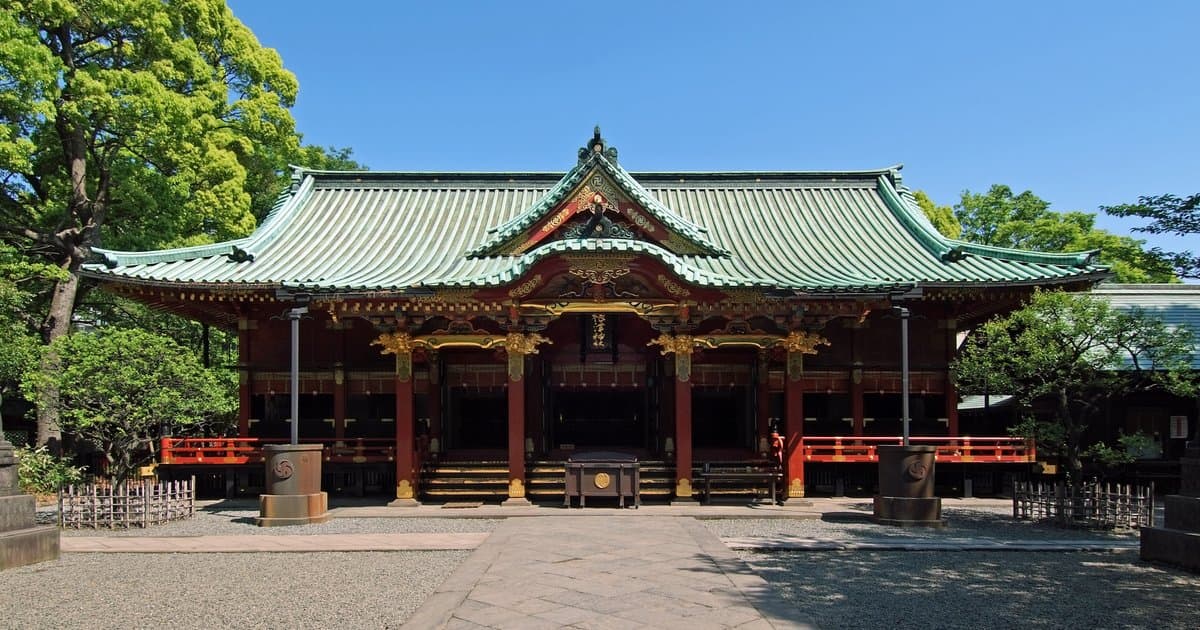
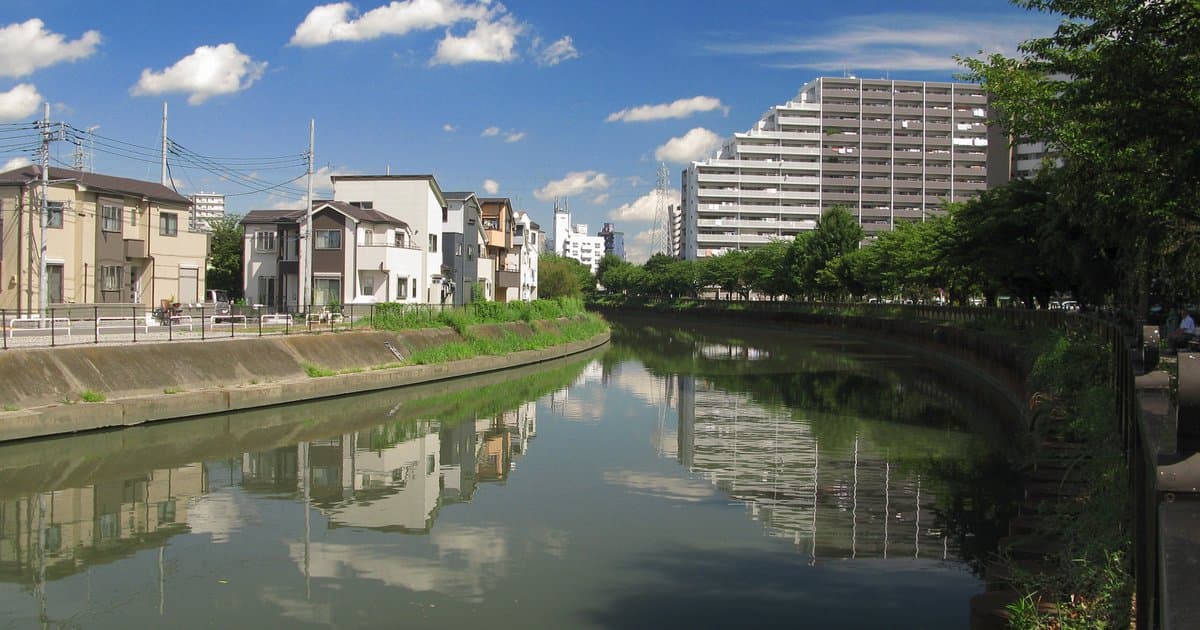
Featured photo: MaedaAkihiko / Wikimedia Commons (CC0, cropped)
About this article
- Author
- Takanobu Ezaki(Accommodation Business Manager)Qualifications: Type A Fire Prevention Manager, Type 1 Health Officer, Hazardous Materials Engineer, Class B-4, Class 2 Boiler Engineer
Has held the posts of manager, general manager, and director at hotels, ryokan, and golf courses across more than 30 years, taking charge of overall facility operations along with P&L management, liaison with government authorities, licensing and permits, and large-scale renovation projects. Work spans launching new glamping facilities through to repositioning existing ryokan, consistently covering everything from pre-opening preparation to stabilizing operations. At TLL, oversees accommodation business operations and leads pre-opening preparation for new properties.
View profile → - Publisher
- TLL合同会社宅地建物取引業 東京都知事(1)第108202号住宅宿泊管理業 国土交通大臣(01)第F03424号
Data in this article cite their source and as-of date. Market conditions and regulations change, so check the latest information and consult a professional before deciding. Translated from the Japanese original.