
Can Non-Rebuildable Properties, Leasehold Rights, and Inherited Old Apartments Be Sold? Methods and Pricing Considerations
"I was told it can't be sold because it's non-rebuildable," "Since it's leasehold, I apparently need the landlord's consent," "I inherited an old apartment and don't know what to do." Such properties are generally considered difficult to sell, but they are not unsellable. It is important to understand the reasons they are hard to sell and choose a sales method suitable for the property.
This article explains the reasons why non-rebuildable properties, buildings with leasehold rights, old apartments, and inherited properties are difficult to sell, sales methods, and what you should check before selling.
Reasons Why "Hard-to-Sell Properties" Are Difficult to Sell
Properties that are hard to sell generally share the following two points.
- Difficulty obtaining financing: Banks assign low collateral value, making it hard for buyers to get loans, limiting buyers to those who can pay in cash.
- Low freedom of use: Restrictions after purchase such as inability to rebuild, requirement of landlord’s consent, or need for large-scale repairs.
Conversely, if you sell to buyers who do not use financing or buyers who possess know-how to resolve the restrictions, there is a possibility of sale. The bank evaluation system is explained in "Relationship Between Price and Bank Evaluation of Income Properties".
Non-Rebuildable Properties
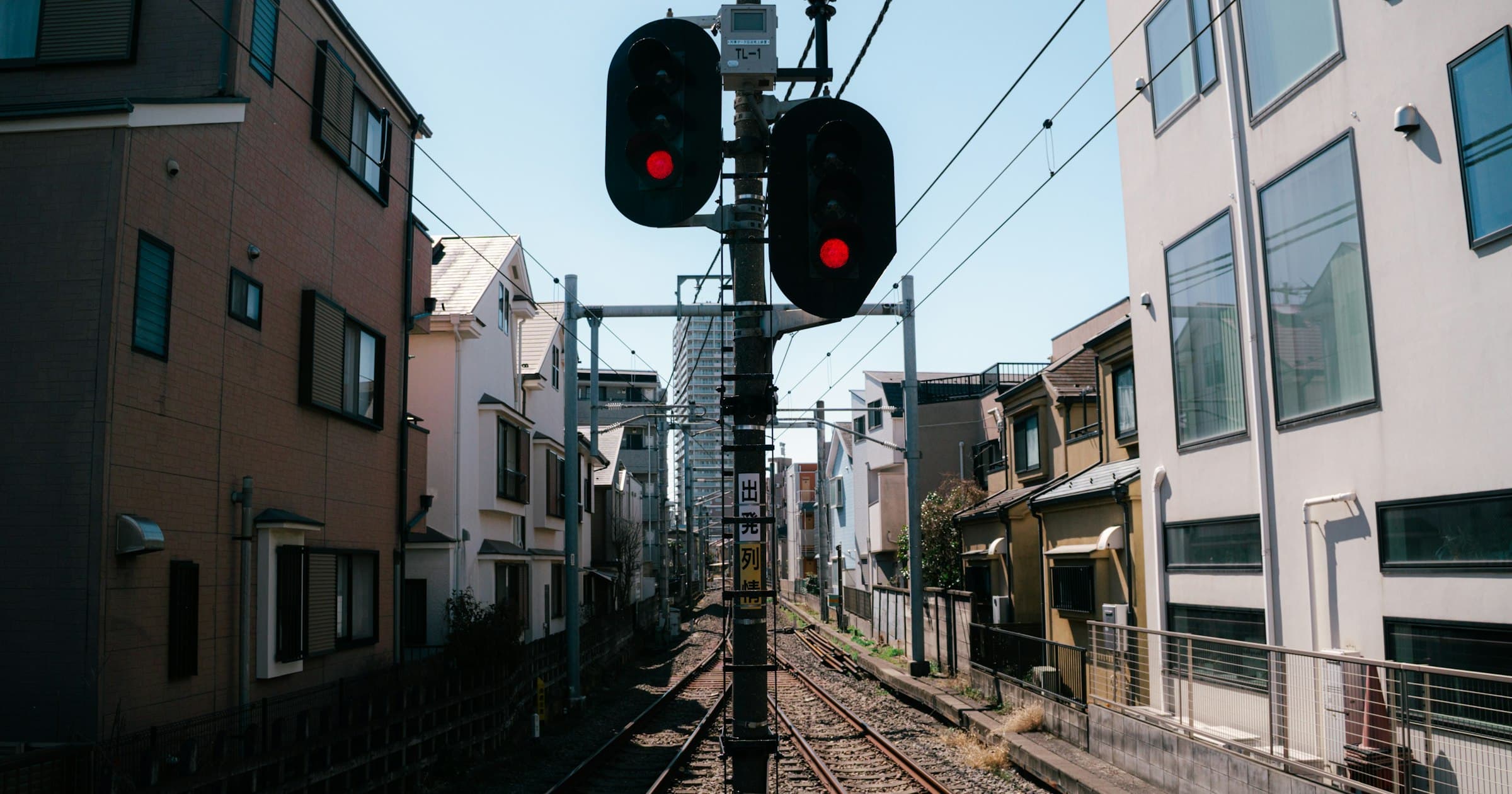
Non-rebuildable means land where if the current building is demolished, a new building cannot be constructed. This is often because it does not meet the Building Standards Act’s frontage road requirement (in principle, the site must border a road at least 4 meters wide by at least 2 meters).
To confirm if your property applies, check the type of the frontage road (whether it meets Building Standards Act road criteria) at the building guidance or planning section of the local government office. The main ways to sell are as follows.
- Sell to the owner of an adjacent lot: Combining with adjacent land may satisfy road frontage, increasing value for the neighboring owner.
- Secure road frontage before selling: Buying or leasing part of adjacent land to satisfy frontage will enable rebuilding and increase the price.
- Consider permission/approval under Article 43 of the Building Standards Act: If certain conditions are met, such as the presence of wide vacant land nearby, permission from the designated administrative agency may allow construction.
- Sell to a buying agent: Real estate companies experienced in handling non-rebuildable properties will buy as-is.
Note that with the Building Standards Act revision effective April 2025, building confirmation will be required even for large-scale repairs or renovation of wooden 2-story buildings and others. Continuing to extensively refurbish a non-rebuildable property has become more difficult, so it is recommended to decide on a plan including sale sooner rather than later.
Buildings with Leasehold Rights
Buildings with leasehold rights are where the land is leased from the landlord, and only the building is owned. Key points at the time of sale are as follows.
- Landlord’s consent is required: Transferring leasehold rights to a third party generally requires landlord consent. A consent fee (name transfer fee) is usually demanded, and the amount is decided through negotiation with the landlord.
- If consent cannot be obtained: If the landlord does not consent, there is a procedure to file with the court for permission to substitute for the landlord’s consent (Article 19 of the Act on Land and Building Leases).
- Sell to the landlord or sell together with the landownership interest (land ownership share): Having the landlord buy the leasehold or cooperating to sell both the land (ownership share) and building together allows complete ownership transfer, tending to raise the price.
Leasehold rights established before August 1992 fall under the old law (Leasehold Act), and those afterward under the new law (Act on Land and Building Leases), with differences in duration and renewal treatment. Preparing the lease agreement, ground rent payment status, and renewal records facilitates appraisal and negotiations with the landlord.
Old Apartments (Pre-Seismic Code, Exceeding Statutory Useful Life)
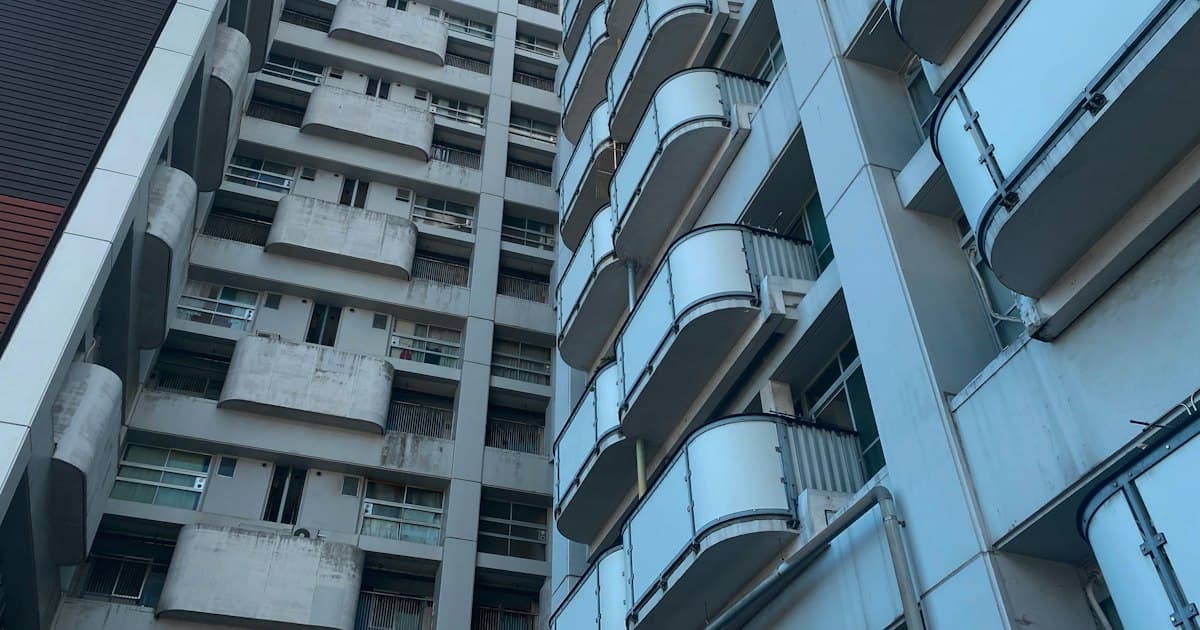
Wooden apartments built before receiving building confirmation in June 1981 (pre-seismic code) or exceeding the statutory useful life have shortened loan periods or no financing, limiting buyers. There are three major sales methods.
| Method | Main Buyers | Notes |
|---|---|---|
| Sell with tenants (owner change) | Investors paying cash, buying agents | Valued based on rental income and land value |
| Vacate before selling | Buyers assuming rebuilding | Eviction of tenants requires justifiable reasons and usually relocation fees |
| Demolish and sell as vacant land | Spec home builders, individuals building homes | Demolition costs apply. Loss of residential land tax relief leads to increased fixed asset tax |
Vacant land loses the fixed asset tax reduction applied to land with residential buildings (small residential land assessed at one-sixth of standard). Whether to demolish should be judged according to the expected sale timing.
Selling an Inherited Property
- Inheritance registration becomes mandatory: From April 2024, inheritance registration is mandatory. Registration must be completed within 3 years from the day you became aware of acquiring real estate by inheritance. Failure without justified reason may incur a fine up to 100,000 yen. Registration is a prerequisite for sale, so first complete registration.
- Consent of all co-owners is required to sell shared property: If inheritance division is not completed or the property is shared among siblings, consent of all co-owners is required to sell.
- Special provision for acquisition cost addition: If inheritance tax has been paid, and the property is sold within 3 years after the inheritance tax filing deadline, part of the paid inheritance tax can be added to the acquisition cost, reducing capital gains tax.
- 3 million yen deduction for vacant houses usually does not apply: Since the deduction applies to houses where the decedent lived, it generally does not apply to rental apartments.
Taxes vary by individual circumstances, so consulting a tax accountant is recommended.
Documents to Prepare When Requesting an Appraisal
- Certificate of registered matters, cadastral map, survey map (if available)
- Building confirmation certificate and inspection certificate (if available), building drawings
- For leasehold: leasehold contract, ground rent receipts, renewal records
- If rented: rent roll, lease agreements
- If inherited: inheritance division status, list of co-owners
Appraisals can be conducted even if documents are incomplete. You can consult with the available information and confirm missing documents during the appraisal process.
Summary
- The main reasons many hard-to-sell properties are difficult to sell are "difficulty obtaining financing" and "restrictions on utilization." Choosing buyers carefully may enable sale.
- For non-rebuildable properties, consider selling to neighbors, securing road frontage, permission under Article 43, or selling to a buying agent. The April 2025 law revision raises the bar for large renovations.
- Landlord’s consent is required for leasehold rights. Selling to the landlord or jointly with the land is often more valuable.
- For old apartments, compare selling with tenants, vacating, or demolishing considering costs and taxes.
- Complete inheritance registration (mandatory from April 2024) before proceeding with sale of inherited properties.
About this article
- Author
- Eiichi Suto(Real Estate Brokerage / Renovation)Qualifications: Real Estate Transaction Specialist, General Insurance Solicitor Qualification, Assistant Commercial Facilities Planner, Level 2 Assistant Landscape Construction Management Engineer, Level 1 Assistant Civil Engineering Construction Management Engineer
Brings over 20 years of experience in the real estate industry, working across central Tokyo and the broader Greater Tokyo area on acquisitions and sales of income-producing and commercial properties. Leverages an inter-broker network to uncover off-market opportunities, assess asset quality, and evaluate project profitability, while developing diverse sourcing channels ranging from whole-building investment assets to value-add opportunities. Has consistently led the process from acquisition decisions through resale strategy and renovation planning, building high-conviction deals with strong execution potential.
View profile → - Publisher
- TLL合同会社宅地建物取引業 東京都知事(1)第108202号住宅宿泊管理業 国土交通大臣(01)第F03424号
Data in this article cite their source and as-of date. Market conditions and regulations change, so check the latest information and consult a professional before deciding. Translated from the Japanese original.